Quoting, shipment visibility and carrier invoice automation for a freight forwarder
A set of automations delivered as one program: quote from the forwarder's own rates in minutes, follow every shipment's milestones in one place, and check every carrier invoice before it is paid.
International freight forwarder2 min read
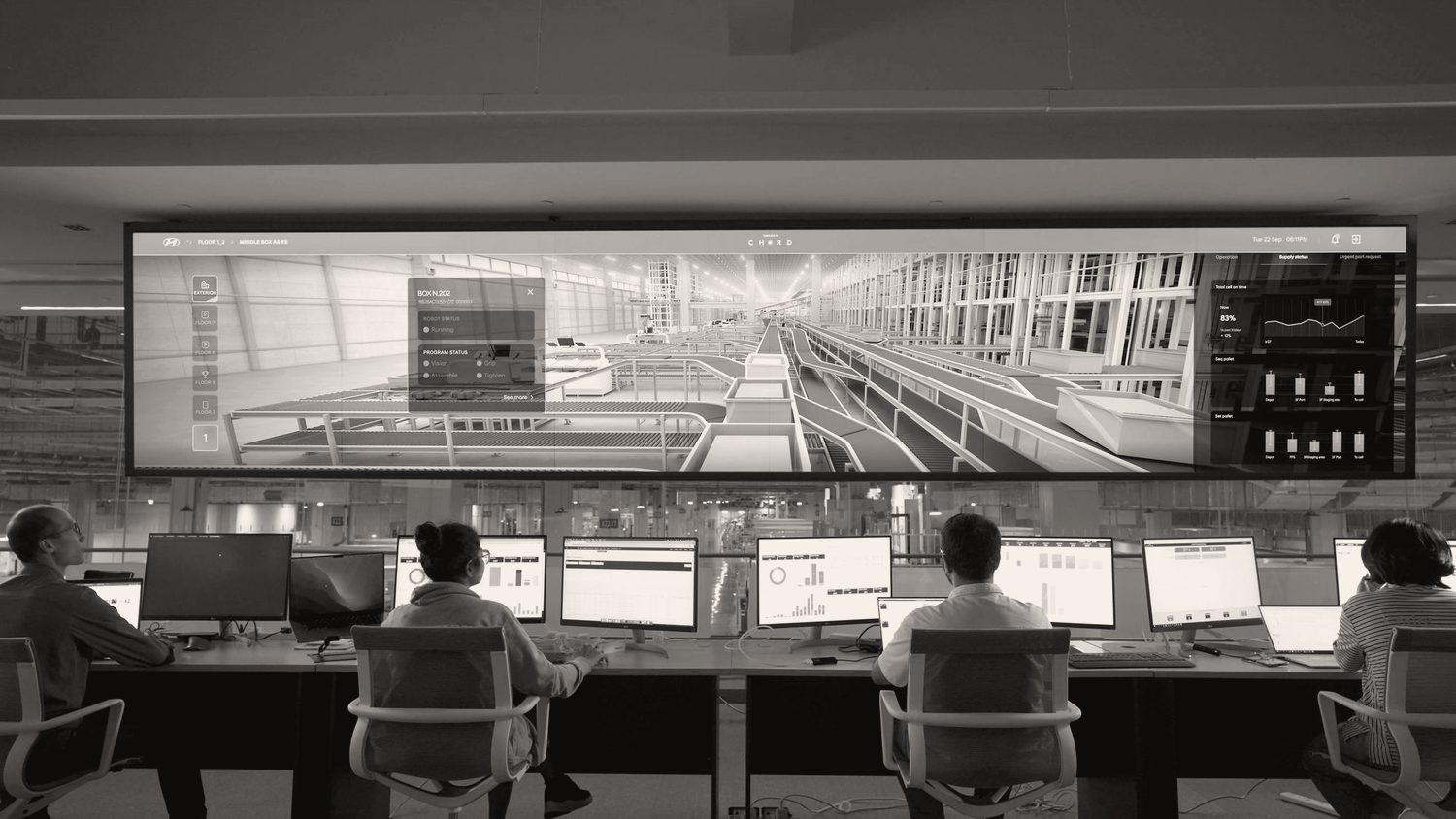
- Industry
- Transportation & logistics
- Timeline
- About two months, first test to go-live
- Status
- In production
- Practices
- Enterprise Applications, AI & Data
The client's name is withheld under NDA. A reference call can be arranged on request.
What changed for the client.
Every automation is live in production, with a person approving any quote, customer update or invoice decision before it goes out.
Customers get a quote back in minutes instead of waiting for someone to work through the rate sheets.
The team hears about a late container or expiring free time before the customer does.
Every carrier invoice is checked against the agreed rate before payment, not a sample.
Where it started.
The forwarder handles a constant stream of rate requests, carrier updates and invoices, by email and through carrier portals. Rates sat in carrier contracts and spreadsheets that changed every few weeks, so each quote meant finding the current sheet and working it out by hand.
Shipment status was checked carrier by carrier when a customer asked, so delays and port charges were found late. Carrier invoices were spot-checked, and charges that didn't match the agreed rate were often paid.
Before and after.
Answering a rate request
BeforeWorked out by hand from rate sheets
A drafted quote in minutes
Shipment status
BeforeChecked carrier by carrier
One timeline per job
Demurrage and detention
BeforeFound on the invoice
Alerted before it starts
Carrier invoices
BeforeSpot-checked
Every invoice, before payment
How it works.
What we built, and how the pieces fit together.
Data moving throughWhere a person signs off
Rate sheets read for you
Carrier rate sheets and surcharge notices arrive in many layouts. AI turns them into one rate table with a confidence score on each line, and anything uncertain goes to a person before it is used.
A quote from an email
A rate request is read, priced from the current rates and margins, and handed to the operator as a drafted quote to check and send.
Every milestone in one place
Carrier and terminal updates are matched to each job, so the operator sees one timeline per shipment instead of checking portals.
Free time on a clock
Each container's free days at the port and depot are counted down, with an alert before demurrage or detention charges start.
Customer updates drafted
When a milestone slips, the update to the customer is drafted with the new arrival date, ready to send.
Every carrier invoice audited
Each invoice is matched to its booking and the agreed rate, charge by charge. Mismatches go to a review queue with the evidence attached, before anything is paid.
Built with Gemini, Document AI, ERP integration and Microsoft 365.
How it went live.
Two shared layers, document reading and ERP integration, were built once and reused by every automation. Everything ran on the ERP's test environment first. Mailbox access was limited to named mailboxes, and sending was only switched on at go-live.
Versioned test rounds shipped on their planned dates, with feedback collected inside the app rather than in spreadsheets. Everything went live in production within days of the planned date, and late requests were each built in a day or two.
When the mail provider had an outage, we paused the automations so no email was mishandled, then resumed them once mail was flowing normally again.
More work.
 Large regional fleet operator · Transportation & logisticsCustomer workflow automation for a regional fleet operatorBooking automation for customers and a decision dashboard for managers across hundreds of vehicles and multiple depots.6.2h → 1.4hMedian quote-to-booking timeRead the case study
 Construction and cost consultancy · Construction & engineeringMonthly reporting, estimating and a legacy system replacement for a construction consultancyA program of builds for the same consultancy: a monthly report engine, a cost estimating engine, a fast layer over an undocumented legacy system, and AI usage monitoring.Minutes → secondsSearch across 20 million+ legacy recordsRead the case study
 Commercial real estate brokerage · Real estate & propertyA custom CRM with 60+ automations for a commercial real estate brokerageA replacement for an aging CRM and a deal tracker kept in spreadsheets, with automations that keep the contact base clean, line up each broker's day and draft the outreach. The system drafts, the broker sends.60+Prospecting and data automations in one CRMRead the case study